Who I Was All Along
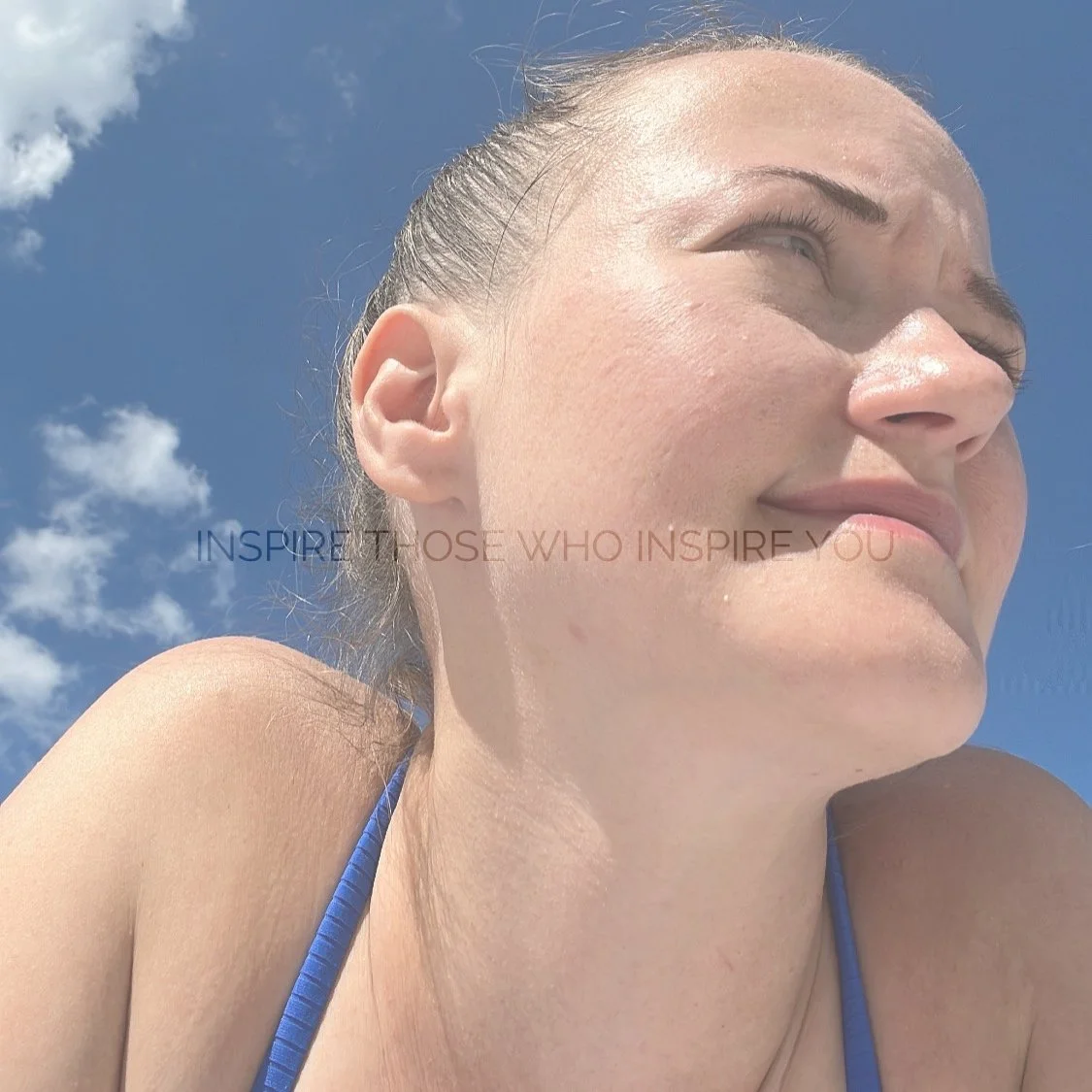
Editor’s note: This is written from my current vantage point
Welcome back, curious minds and kind hearts, to the next chapter of the Think Again series, where we’re rethinking beliefs, expectations, and definitions we carry so we can live with greater curiosity, self-trust, and alignment.
If you’re new to this series, start with When I Stopped Explaining, a reflection on communication, understanding, and self-trust. Continue with The Beauty of Not Knowing Yet, where I explore uncertainty and finding peace in the unknown. What I Can Control, a reflection on becoming more intentional with our time, energy, and attention. And Finding My Way, where I reflect on why it means to feel disconnected from yourself and begin discovering direction again.
For today’s chapter, Who I Was All Along, I want you to think about something:
If you could meet the person you thought you’d become 10 years ago, would you still want their life?
For most of my life, I had an idea of why adulthood was supposed to look like.
I’d have a successful, consistent, stable career. I’d work hard, earn promotions, collect accomplishments, make more money, get married, get an house, and steadily move forward. Each milestone would lead naturally into the next, and somewhere along the way, I’d know I’d “made it.”
I imagined I’d become more outgoing, too. More charismatic. The kind of person who could effortlessly inspire a room full of people.
Because, for whatever reason, I associated charisma with success.
Maybe some of those expectations came from me. Others came from family, friends, movies, television, and simply observing what everyone around me seemed to be doing.
None of those goals were necessarily bad. I just never stopped to ask myself: How many of them are actually mine?
I thought there was someone I needed to become. But I also always held the belief that people should be themselves. Yet, ironically, I don’t think that stopped me from quietly wishing certain parts of myself were different.
I wished to be more naturally outgoing.
More diplomatically charismatic.
Maybe a little like the people I say advancing around me.
Career advancement, especially, represented progress.
Work hard. Take on more responsibility. Get promoted. Make more money. Repeat.
It made sense.
And for a long time, I wanted it. Then, I got a small taste of what I’d been chasing.
I never officially received the leadership title I’d once hoped for, but I was given the opportunities to train people within my department. I enjoyed teaching. I enjoyed helping someone understand something new. And after wanting an opportunity to demonstrate that I could lead, I finally had one.
But the experience also revealed something I hadn’t expected.
I liked the job I was already doing. I didn’t necessarily want more.
At first, that was difficult to admit. And I wondered whether I was becoming less ambitious? Was I settling? Was I giving up on something simply because I hadn’t received it yet?
Eventually, I realized the answer was much simpler.
What I wanted had changed.
And changing your mind about an old goal doesn’t necessarily mean you’ve failed to achieve it. Sometimes you simply get close enough to something to realize it isn’t where you want to go anymore.
Today, career success looks different to me.
I want work that I enjoy.
I want to be somewhere that recognizes people’s contributions and genuinely cares about the people doing the work.
And perhaps most importantly, I want balance.
Yet there were milestones I thought I needed. And the career sector wasn’t the only place where I created that imaginary timeline.
By my thirties, I thought I’d be married. I’d have traveled extensively. I’d have more money saved up. I’d have accumulated accomplishments that made it obvious I was progressing.
Then you reach the age when those imaginary milestones were supposed to happen and realize everyone else’s lives look different too.
Someone has the career.
Someone else has the marriage and family.
Someone is traveling around the world.
Someone bought the house.
And occasionally, I’ll look at someone’s life and think: “Man, I wish I could do that.” I wish I had the money. The resources. The opportunity.
But I’ve also had to ask myself a harder question:
Was I comparing myself to the lives I genuinely wanted, or lives I thought I was supposed to want?
Because progress doesn’t always look impressive from the outside. Sometimes progress is recognizing something isn’t right for you anymore and having the courage to pivot. Sometimes it’s consistently making time for something you love. Sometimes it’s a memory. Sometimes it’s simply knowing you gave everything you had, even if nobody recognized you for it.
Those things don’t necessarily come with titles, certificates, announcements, or congratulations.
But I’ve stopped believing that makes them less meaningful.
In order to move forward, it requires me to look back. Because the more I’ve thought about who I’m becoming, the more I’ve found myself thinking about who I used to be.
And strangely enough, I recognize her.
When I was younger, I was in Girl Scouts. I was curious about practically everything. So, apparently curious, that I would pick up bugs and investigate them. Or observe them in their habitat. However, for the record, that is one particular form of curiosity that did not survive adulthood.
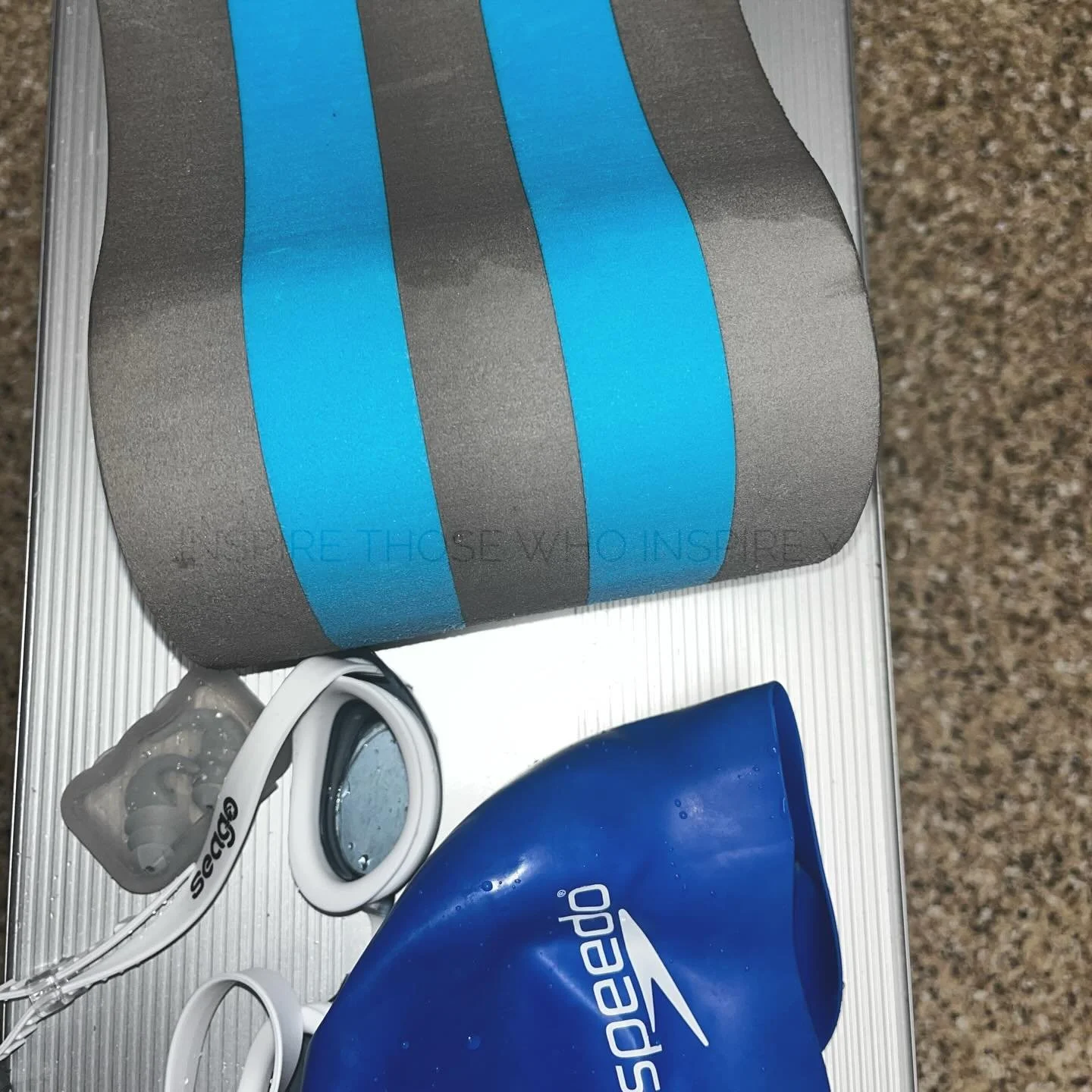
But I wanted to explore more. I wanted to try new things. I enjoyed meeting new people. I loved swimming, both competing individually and being part of a team.
And I drew whatever happened to be running through my imagination.
Coincidentally, now look at what I find myself drawn toward today: swimming, creating art, exploring, meeting new people, trying unfamiliar activities, learning, asking questions, and following whatever sparks my creativity.
For so long, I thought growing meant becoming someone different. Someone older. Wiser. Better. More accomplished.
But the older I’ve gotten, the more I’ve realized how many of the qualities I value most about myself aren’t new at all.
Ive always been curious. Creative. Hardworking. Resourceful. Passionate. Dependable. Adventurous. Playful. Kind. Compassionate. Sensitive.
Life didn’t give me those qualities. It gave me more opportunities to understand them.
So, maybe I didn’t need to be less sensitive. After all, sensitivity is one of those qualities I’ve learned to see differently.
There have certainly been times when I wished I cared less. Maybe things wouldn’t hurt as much. Maybe I wouldn’t notice certain things. Maybe I wouldn’t spend so much time thinking about how other people were feeling.
But sensitivity is also connected to so many things I value about myself. It’s part of why I deeply care. Why I notice. Why I create. Why I want to understand people. Why kindness matters so much to me.
That’s something experience did, in fact, teach me.
Because while I recognize so much of younger me in the person I am today, I’m not exactly the same person. Nor would I want to be.
Those new parts came from the person I had to build.
Experience made me more outspoken. I’m more willing to stand up and advocate for myself and others. I’m less afraid to say when something makes me uncomfortable.
There was a time when I might have rearranged an entire day because I was trying to make plans with someone. Today? We can find another day that works for the both of us.
It doesn’t mean I care less. It means I’ve learned that my time matters too.
I’ve also become more willing to have awkward or uncomfortable conversation instead of agreeing to something simply to keep another person happy.
And even odder, becoming more outspoken has also made me thy much more easygoing. I don’t need to involve myself in things that aren’t my business. I don’t need everyone to make the same choices I would.
We’re different people. Of course we’re going to have different interests, experiences, preferences, and paths.
I’ve learned that there is a difference between caring and carrying. That there is a difference between kindness and people-pleasing. And there is a difference between being yourself and refusing to grow.
Growth doesn’t have to mean replacement. That’s perhaps the biggest thing I’ve had to rethink.
I used to imagine personal growth as becoming a better version of myself. I’ve even used that language before: I want to become the best version of me. But lately I’ve started questioning that idea too. Because if there’s always a “better version” somewhere ahead of me, when exactly do I become enough?
Maybe I don’t need to become an entirely different version of myself. Maybe I need to live in a way that brings out the best of who I already am.
For me, that’s what alignment has started to mean.
Being content. Following my heart. Making time for myself. Continuing to pursue the projects, hobbies, passions, and purposes that matter to me.
Speaking up when something doesn’t feel right. Changing direction when something no longer fits. And accepting that someone else’s idea of a fulfilling life doesn’t have to become mine.
It doesn’t mean I’ve stopped growing. If anything, I think I’ve grown more because I’m no longer trying to grow toward an imaginary version of myself. Instead, I’m growing from the person who’s actually here.
And that leads me to this, who I was all along.
Sometimes I wonder what younger me would think if she met me today. She’d probably be surprised as life didn’t move from point A to point B quite as nearly as she imagined. She might be surprised that o don’t measure success primarily through promotions anymore. She’d probably be surprised that I’m willing to stand alone when I believe something isn’t right. She might wonder when I became so outspoken.
But I also think she’d recognize me. She’d recognize the person who still gets excited about trying something new. The swimmer. The artist. The curious girl who wants to understand everything. The adventurer. The person who loves having fun. The person who tries to see the best in people.
She’d recognize my kindness. My compassion. My curiosity. My resourcefulness. My determination.
And maybe she’d remind me that those things mattered long before I ever started measuring myself through titles, relationships, salaries, milestones, or accomplishments.
All this time, I thought I was becoming someone new. Looking back, I think I was doing something else. I was unlearning expectations. Questioning timelines. Separating what I wanted from what I’d been taught to want. Rediscovering old passions. Building new strengths. And slowly clearing away some of the projections and expectations that had accumulated over the years.
Growth changed me. Experience changed me. Life will continue changing me. But underneath it all, I’ve realized something incredibly freeing:
I didn’t need to become someone else to build a life that felt like mine.
Because maybe becoming isn’t always adding more to ourselves. Sometimes it’s about stripping away everything we thought we had to be, keeping what we’ve learned along the way, and finally recognizing who we were all along.
Now take a moment to reflect: If you stripped away your job title, relationship status, accomplishments, and everything you thought you were supposed to become, what parts of you would still remain?
Check back next Monday for the final chapter of the Think Again series. Until next time, I’m sending love, light, gratitude, and kindness your way.
As a signature of my blog, I’d like to end this post with a suggestion to “Pass on kindness.” There’s no time like the present to Inspire Those Who Inspire You. Acts of kindness, no matter how big or small, can have a direct, positive impact on someone else. Go out there today and change someone’s life for the better!
***These are my personal opinions and may not be those of my employer.***