The Way Home
Editor’s note: This is written from my current vantage point
Welcome back, explorers and adventurer’s, to The Places That Make Us series, which is a reflective series exploring how the places we inhibit, move through, and remember quietly shape our perspective, our sense of belonging, and who we become.
As we prepare to conclude the series with its final chapter, I invite you to revisit, or discover, the reflections that have led us here. Each one offers a different lens on the relationship between place and perspective, and together they tell a larger story about the ways our experiences shape the people we become.
Where We Stand explores how geography extends far beyond maps and borders, revealing how the places we inhabit quietly shape the way we see ourselves and the world.
The Walking Mind reflects on how walking becomes more than movement, inviting us to slow down, notice more deeply, and cultivate presence through the places we experience.
Looking Both Ways examines the importance of balancing local and global perspectives, reminding us that wisdom grows when we remain rooted while staying open to the experiences of others.
The View From There explores how fully experiencing a place can reshape our perspective, revealing that the greatest journeys often leave us with a new way of seeing long after we’ve returned home.
I hope you’ll take a moment to explore the journey so far before joining me for today’s post, The Way Home, the final reflection in The Places That Make Us series.
As we’ve explored throughout this series, every place has offered a different lesson. Some have shaped the way we see the world. Others have changed how we move through it by broadening our perspective, or revealed parts of ourselves we haven’t noticed before. Yet through each reflection, one idea has quietly remained in the background, waiting to be explored more fully, which is the meaning of home.
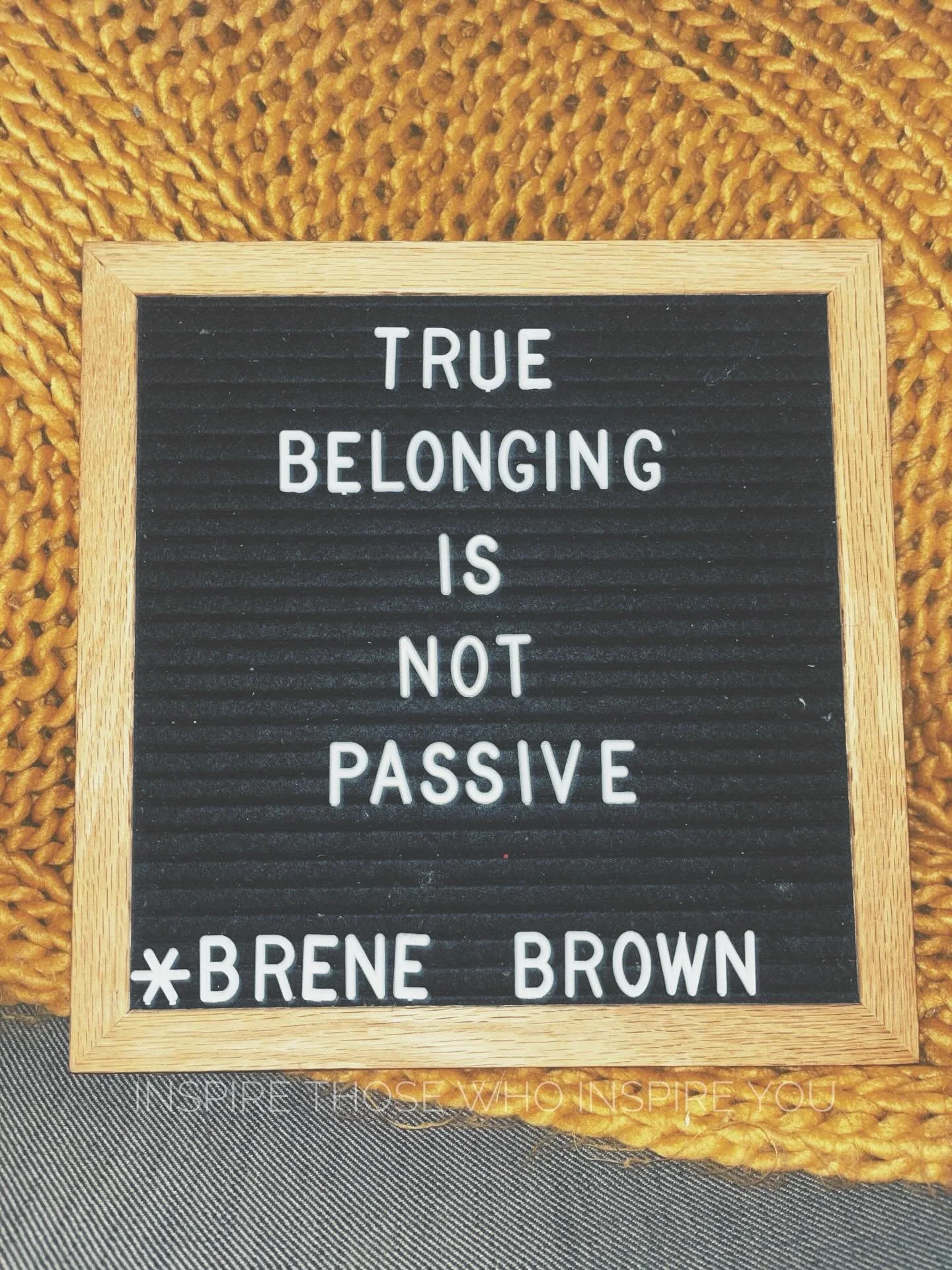
For many of us, home feels like a destination we’re trying to reach. We tell ourselves that once we find the right place or a place to make our own, we’ll finally settle in, feel like we belong, and know we’ve arrived. But what if home isn’t something we arrive at? What if it’s less about finding the perfect place and more about the familiarity we build, the connections we nurture, and the life we gradually create wherever we are?
Perhaps that’s why the idea of home can feel so difficult to define. As life changes, our relationships, responsibilities, and surroundings change with it, often causing us to question where, and even what, home truly is.
And uncertainty is a natural part of being human. Throughout our lives, we’ll experience new seasons that reshape the way we live and the way we see ourselves. Careers evolve, people move to new places, relationships grow and change, unexpected opportunities arise, and challenges ask us to adapt in ways we never anticipated. Even our identities aren’t fixed. None of us remain exactly as we once were. Instead, we’re continually growing, learning, adjusting, and moving forward with each new experience.
Because change is inevitable, our understanding of home often changes alongside us. What once felt familiar may no longer fit, while places that once seemed unfamiliar can gradually become part of our story. Rather than resisting those shifts, perhaps they’re inviting us to reconsider what it truly means to belong.
If change is one of life’s few constants, then perhaps home can never rest entirely on a place alone. While the places we inhabit certainly influence our experiences, they cannot, by themselves, create a lasting sense of belonging.
For instance, a beautiful day, a familiar neighborhood, or a community rich in culture doesn’t automatically make us feel at home. Just as returning to a place we’ve always known doesn’t necessarily mean we’ll feel the same connection we once did. While place provides the setting, belonging grows through something deeper.
It takes the relationships we invest in, the ways we participate in our communities, the routines that give shape to everyday life, and the meaning we create through our experiences. Over time, these ordinary moments become the threads that connect us to a place, transforming it from somewhere we simply live into somewhere that genuinely feels like home.
Therefore, when we begin to look at home through that lens, its meaning starts to expand. It becomes less about a point on the map and more about the connection we’ve cultivated with a place over time.
Home isn’t simply a location where we happen to live. It’s the feeling of familiarity that grows through lived experience. From the streets we’re walked countless times, the connections we’ve shared, the traditions we’ve embraced, and the ordinary moments that gradually become part of our story. It’s not only knowing a place, but having experienced it in ways that create a genuine sense of connection.
In that sense, place becomes more than geography. It becomes a collection of memories, relationships, routines, and experiences that shape how we understand both the world around us and our place within it. As our understanding of home expands, so does our understanding of what a place can truly mean.
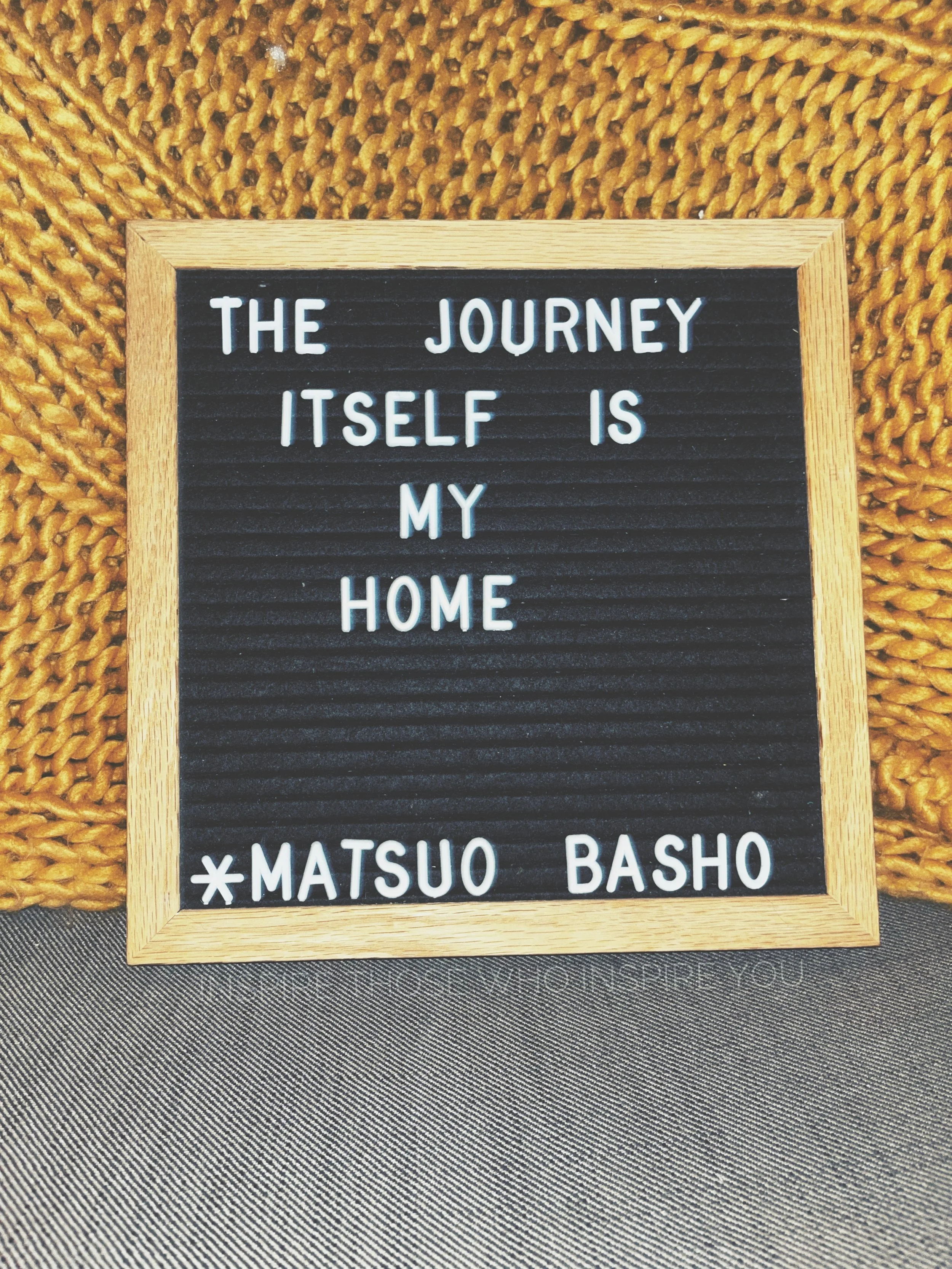
When home is understood in this way, it no longer feels confined to a single place. Instead, it becomes something that continues to accompany us, even as our surroundings change.
That means every place that has shaped us leaves something behind. We carry perspectives we’ve gained, the memories we’ve made, the values and traditions we’ve embraced, and the lessons we’ve learned along the way. We carry favorite walks that taught us to slow down, conversations that broadened our thinking, and familiar routines that reminded us to be present. Even the ways we see and experience new places are influenced by the ones that came before.
In time, these pieces become remarkably portable. They travel with us whenever life leads, quietly influencing how we connect with new communities, appreciate unfamiliar places, and continue building a sense of belonging. Home is no longer defined only by where we’ve been, but also by everything those places have become within us.
So, by recognizing that we carry pieces of home with us, it also changes the way we think about belonging. If belonging isn’t tied to a single place, then it isn’t something that simply happens the moment we arrive somewhere new.
Rather belonging is a practice. One that takes shape through the choices we make each day. It begins with curiosity and the willingness to learn about a place as the people who call it home. It grows through kindness, genuine conversations, and participating in the life of a community instead of just simply observing it from the outside. It asks us to pay attention to the rhythms of everyday life, to appreciate what makes each place unique, and to contribute in ways that help others feel and valued.
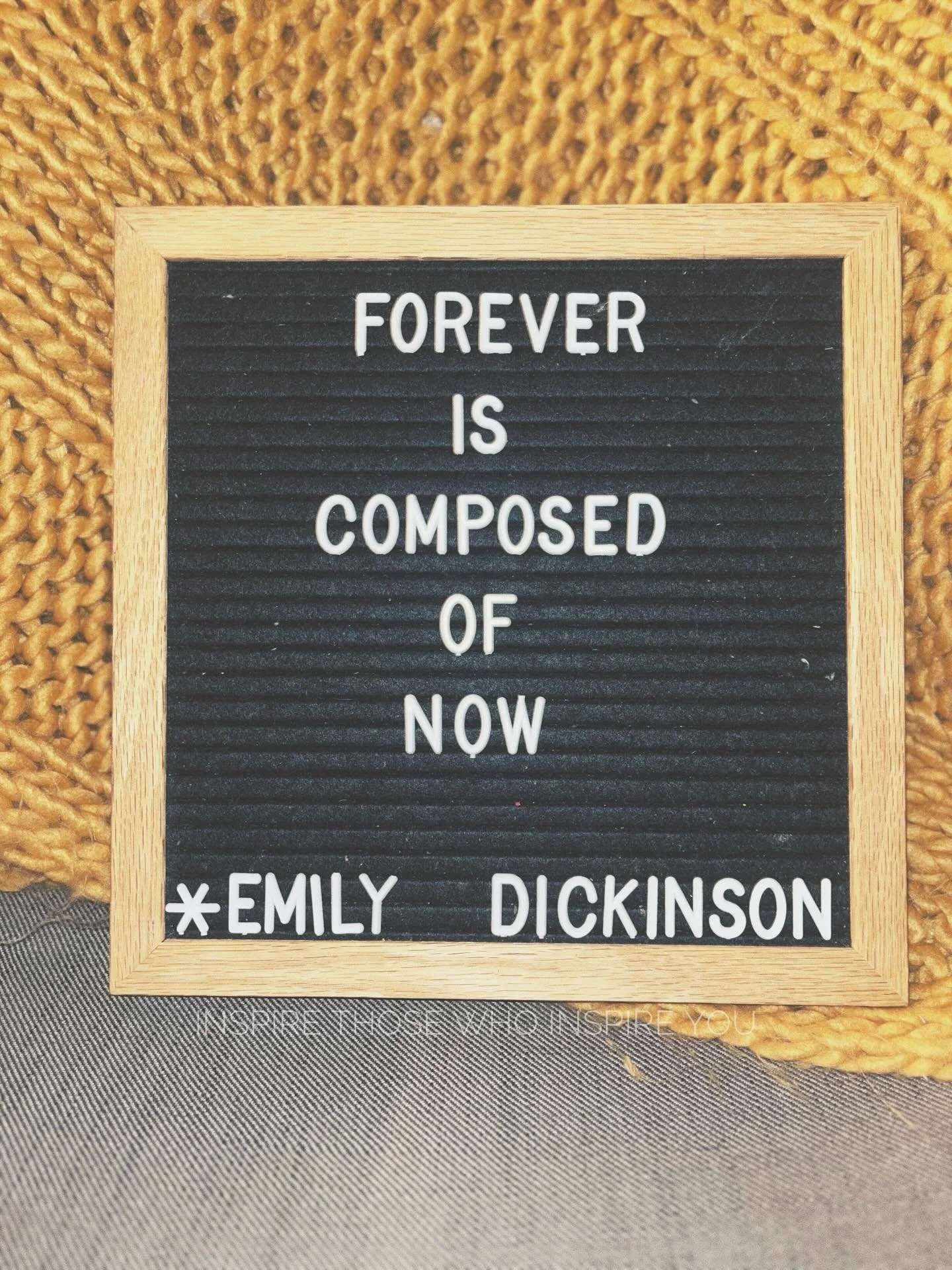
Over time, it’s these small, intentional acts that create something far more lasting than familiarity alone. They cultivate trust, strengthen relationships, and transform places from locations we pass through into communities where we feel connected. In many ways, belonging isn’t something we discover waiting for us, it’s something we help create, both for ourselves and for those around us.
Perhaps that’s one of the greatest lessons the places in our lives have to offer. They remind us that while every place shapes us in its own way, none of them asks us to have everything figured out before we arrive. Instead, each one invites us to remain curious, to stay present, and to continue growing through the people we meet, the experiences we embrace, and the connections we cultivate along the way.
Maybe, just maybe we’ll never completely outgrow uncertainty. But perhaps that’s not the goal. Perhaps the goal is learning to meet each new place, each new season, and each new version of ourselves with enough openness that, wherever we are, we can begin to feel at home.
As this series comes to a close, I’d love to leave you with one final question to reflect on: What places have shaped the way you see the world, and what pieces of them do you still carry with you today? I’d love to hear your thoughts in the comments.
Thank you for joining me throughout The Places That Makes Us series. I howl these reflections have encouraged you to look at the places in your own life with a little more curiosity, gratitude, and appreciation for the quiet ways they’ve shaped who you are.
Within the next few days, I’ll be sharing my née blog schedule along with the series I’ll be exploring to throughout August. Until then, I’m sending love, light, and kindness your way. Thank you for reading, and I look forward to continuing the journey together.
As a signature of my blog, I’d like to end this post with a suggestion to “Pass on kindness.” There’s no time like the present to Inspire Those Who Inspire You. Acts of kindness, no matter how big or small, can have a direct, positive impact on someone else. Go out there today and change someone’s life for the better!
***These are my personal opinions and may not be those of my employer.***