What Consistency Really Means to Me Now
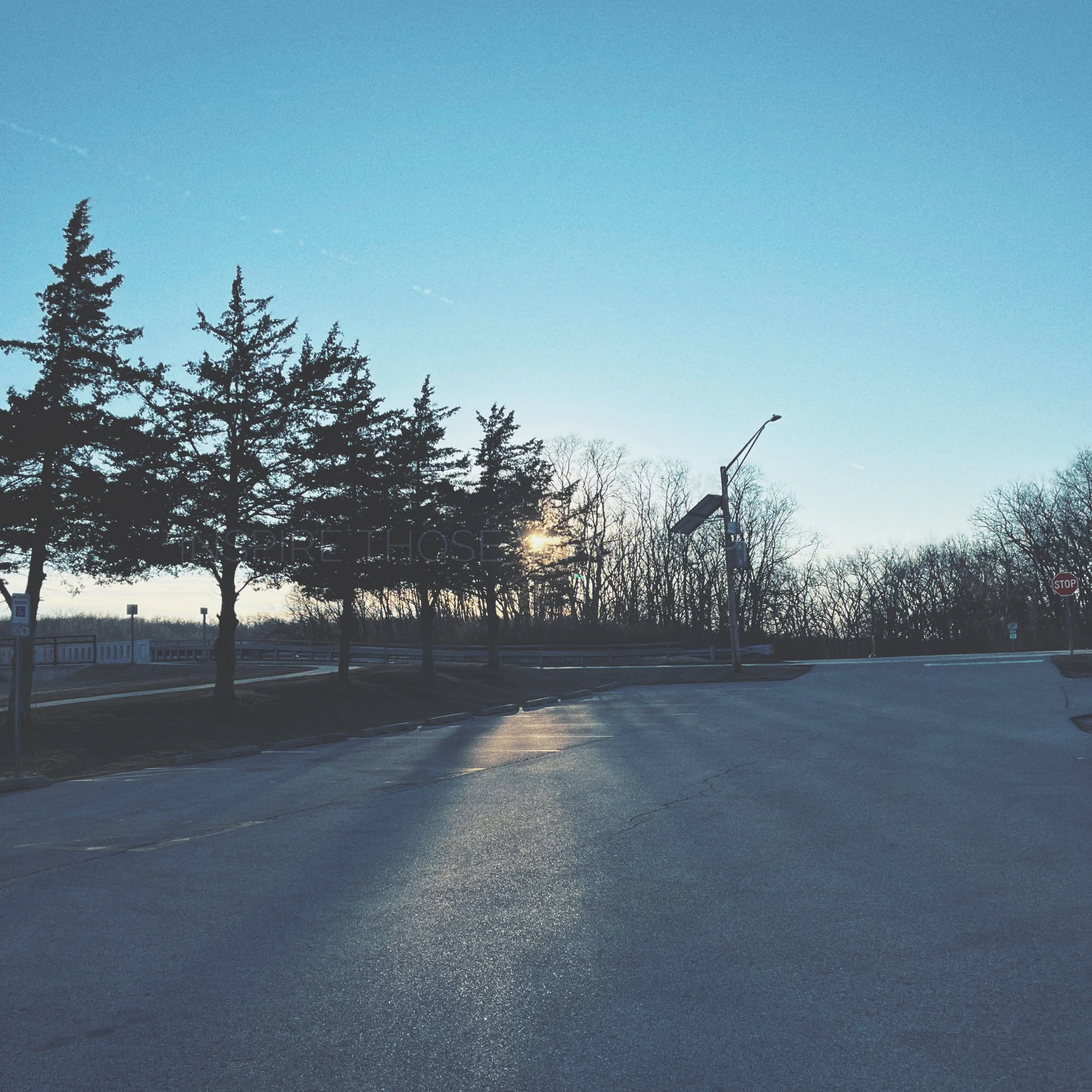
Golden light filters through tall park trees as the sun dips low on the horizon, casting long shadows across the grass. The steady glow breaking through the branches mirrors the idea that consistency isn’t loud or dramatic. It’s the quiet, daily choice to keep showing up, even as the light shifts.
Editor’s note: Written from my current vantage point.
Welcome back, peace makers, healers, and compassionate souls, to another chapter in the Soft Starts series. If you haven’t already, check out the first post “Reflect, Then Redirect,” which discusses reflections and redirections, here. And the second chapter where we discussed self-criticism in “A Kinder Way to Reflect.” Today the focus will be consistency.
I’ve noticed that the hardest part of building habits isn’t starting, it’s sustaining them in a way that actually feels natural over time. It’s not that I struggle with effort, I often struggle with consistency. Starting a new habit, for example, takes a lot of focus for me, and once it becomes repetitive, I tend to lose interest. Because of that, I approach routines through trial and error, adjusting and experimenting until I find something that keeps me engaged.
The term consistency used to mean something I’d do everyday or on a routine basis. It was rigid and restrictive because that’s what I thought structure needed to be in order to be consistent and perform at my best. Since then, I’ve learned that’s not the case. Oftentimes, the more strict we are, the harder it is to maintain.
So, in order to stay on track and remain focused on your goals, it helps to build in both flexibility and accountability. While consistency still matters, it doesn’t have to mean unrealistic standards. The goal is to create systems that adapt with you, not ones that fall apart the moment life shifts.
As the new year begins and you’re working on consistency towards your resolutions or goals, it’s worth remembering that the goals you have are achievable. But only with the right process in place and there’s no one size fits all. In the first post of this series, I shared a quote from James Clear, who said, “You do not rise to the level of your goals, you fall to the level of your systems.” That doesn’t mean you can’t reach your goals, it means your results will depend on how strong your structure is to support focus, determination, and sustained effort. Therefore, it’s pivotal that you do not only figure out what that looks like for you, but that you take your time and go at your own pace.
A personal example of this is when I challenged myself last year to share a poll every single day, 365 days straight. I started strong, but as the year went on, the routine became harder to maintain. Eventually, when I shifted into the Around the World series where I was posting three new blog posts a week, the daily polls became too overwhelming. That oftentimes, I’d get behind and then have to catch up on. Even now, well into the first month, I still find myself hesitating to share polls because of the burn out I experienced last year. Looking back, I can see that my standards were high and unrealistic. I didn’t allow myself a break. I was posting constantly. And that was a lot for me. The primary reason I have social media is to get my work out there. To share blog posts, art, and photography. And while I enjoy getting small glimpses into people’s lives, I’ve learned that too much exposure can feel overwhelming for me. It makes staying present and meaningful conversations a little harder, especially when we’re so constantly connected at our fingertips.
Sharing a poll question daily taught me a lot about my own relationship with consistency. If you spend any time on social media, you’ve probably seen those reminders that not every day is meant to look the same. Some days we show up as 30%, other days at 70%, and some at 100%. We’re human. We’re going to have “bad” days. There will be times when our personal life conflicts with our professional or educational life, and vice versa. And while we may be giving it our all, we aren’t robots. We have feelings and move through different moods. Because of that, we aren’t meant to be perfect, and our routines shouldn’t be treated that way either. They’re allowed to fluctuate.
As for staying consistent, one piece of advice that’s always stuck with me came from high school. And that is to avoid missing three days in a row. Whether it was days, classes, assignments, or commitments. The idea wasn’t about perfection, it was about momentum. You’ll often hear it takes around 21 days to build a new habit and closer to 90 days to make it a lifestyle. The simplest way to get there is accountability. This means showing up when you can, being honest when you can’t, and not letting short lapses turn into excuses.
If you find yourself struggling to do it alone, invite someone in. Ask a friend or find an accountability buddy. Someone who checks in, or even does the habit alongside with you. Support doesn’t mean weakness. Some of us simply function better with shared structure, and there’s nothing wrong with needing more support to stay consistent.
Another helpful tip is to ease up on the unnecessary pressure. Just like setting unrealistic goals, being overly hard on yourself can backfire. Nagging yourself, or thinking, I missed a day, now I have to double up, usually does more harm than good. It’s not a solution. More often, it makes the process feel heavier and increases the urge to quit altogether.
The next tip I want to suggest is duration. What’s worked best for me is setting a short, realistic time frame. Usually a week, sometimes just a few days, and building from there, with the main focus of not breaking the streak. For example, there was a period of my life where I was eating out constantly. To rein it in, I set a simple goal: make it seven days without eating out, then allow myself one meal out. From there, I extended it to two weeks, followed by another planned meal out. The longer I maintained that balance of staying realistic while still giving myself room to enjoy things, the easier it became to refrain. It also taught me the value of moderation and treating yourself intentionally. After all, most things are manageable in small quantities.
The last piece of advice I’d offer is to focus on what actually works best for you. If that means having a partner for accountability, that’s great. If it means regularly changing up your routine to keep boredom from setting in, that works too. Use trial and error as part of the process. Consistency doesn’t come from forcing yourself into someone else’s system, it comes from building one you can realistically live with.
If there’s one thing to take away from today’s post, it’s that consistency doesn’t have to be rigid to be effective. Give yourself permission to move at your own pace, adjust when needed, and build systems that support who you are right now. If this resonates with you, I encourage you to reflect on what consistency looks like in your own life, or share what’s helped you stay on track. Sometimes, starting the conversation is the first step toward building something that actually lasts.
Until next Monday, January 26th, keep putting in the work. I believe in you and your capabilities. Sending you love and light.
As a signature of my blog, I’d like to end this post with a suggestion to “Pass on kindness.” There’s no time like the present to Inspire Those Who Inspire You. Acts of kindness, no matter how big or small, can have a direct, positive impact on someone else. Go out there today and change someone’s life for the better!
***These are my personal opinions and may not be those of my employer.***