Editor’s note: This piece reflects where I am right now and what I’ve learned from my own experiences. I share these thoughts as an invitation to reflect on your own life, not as a guide for what you should do with it, Your circumstances, relationships, experiences are your own, and only you can decide what feels right for you.
Welcome back, curious minds and kind hearts, to For What It’s Worth, a series about perspective, understanding, and how much we really know about the people and situations around us.
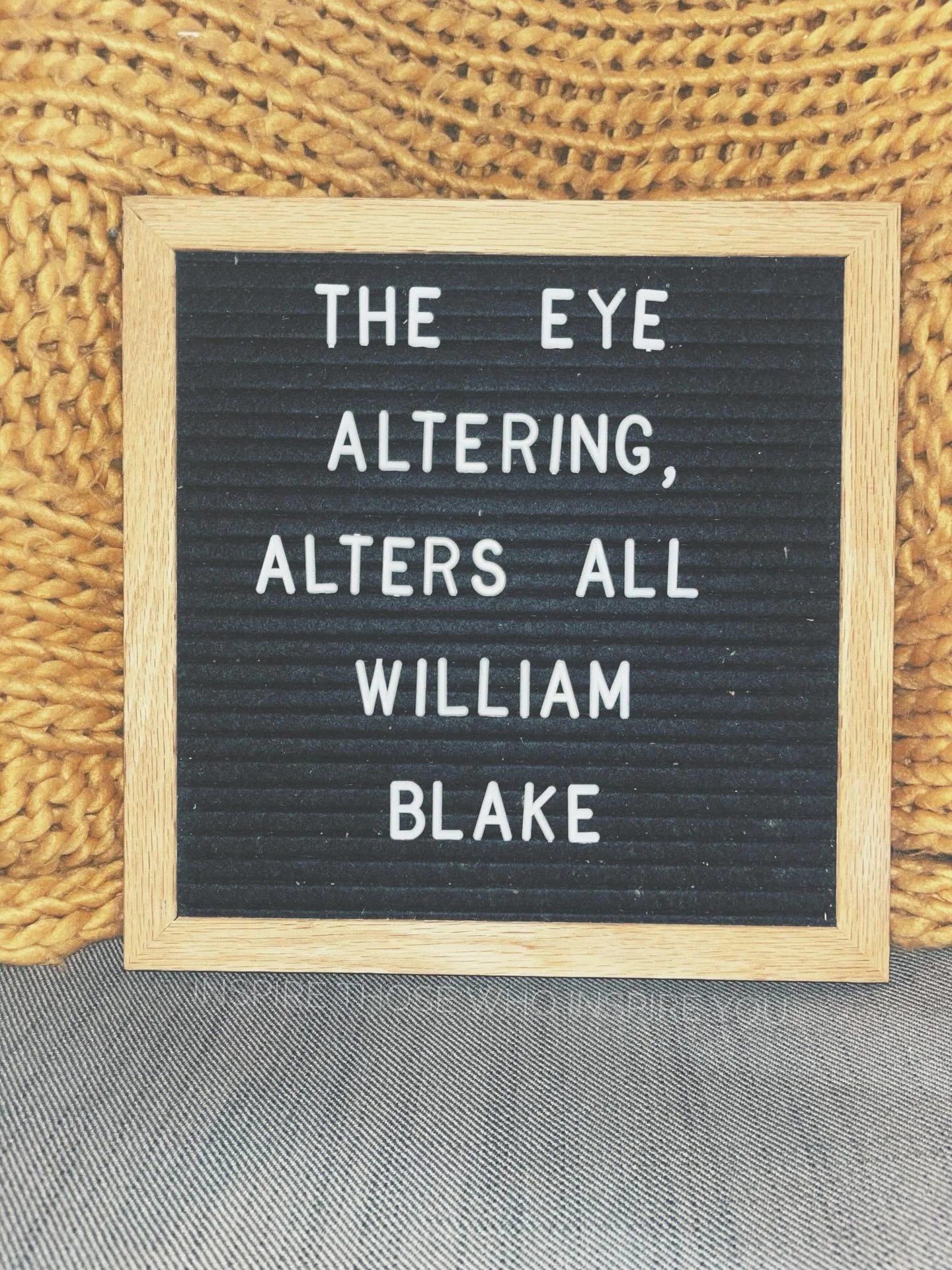
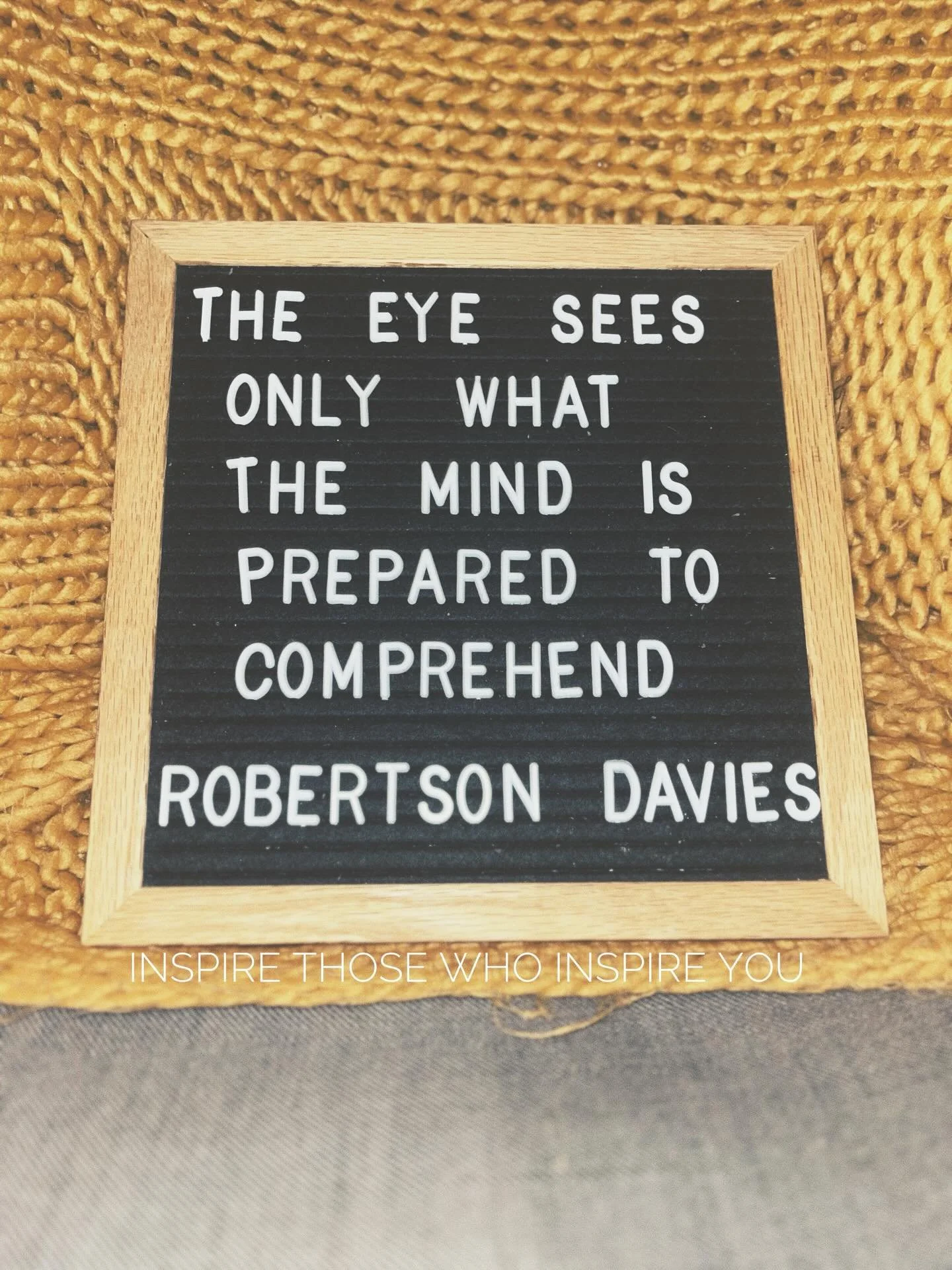
“All things considered” is an interesting phrase when you think about it. Because how often do we actually have all the things to consider?
There’s what we know. What we’ve experienced. What someone else tells us. What we can observe for ourselves. And then there are the things we don’t know at all.
I’ve always been someone who wants to understand things before deciding what I think about them. So I’ve tried to leave room for the possibility that there’s more to consider.
Maybe that’s why context matters so much to me because it gives me another way to look at something before deciding what I think it means.
Sometimes learning one more piece of information can completely change the way something looks. Something that didn’t make sense suddenly does. A decision I questioned might make more sense once I understand what someone knew, what they were dealing with, or what they thought their options were at the time.
That doesn’t mean context excuses everything. I can understand why someone did something and still think they shouldn’t have done it. I can have compassion for what someone was going through and still acknowledge how their actions impacted me.
For me, context helps me make sense of the behavior. And sometimes making sense of something is enough to change how I feel about it. But at other times, it isn’t.
Either way, I’d rather know than fill in the reason myself because understanding the context doesn’t mean losing sight of what actually happened. Facts matter too.
If there’s information that can clarify what actually happened, I’m not going to ignore it simply because two people experienced the situation differently.
At the same time, I don’t think facts always tell us everything about the experience. Two people can agree about what happened and still have very different feelings about it.
So even when the facts are clear, I still think there’s room to understand how someone else experienced them. Not necessarily because they’ll change what happened, but because they might change what happens next.
Sometimes another perspective shows us something we hadn’t considered. Sometimes it gives us a chance to explain something the other person didn’t understand. And sometimes it shows us where something could have been handled differently.
Maybe that’s part of what consideration is for. Not always changing our minds, but giving ourselves enough room to learn.
Looking back, I think making room for other people came much more naturally to me than making it for myself. I made room for their feelings, their circumstances, their intentions, and their reasons, without realizing how often I was leaving myself out of that consideration.
Because I could understand where someone else might be coming from, it was easy to give their behavior another explanation. I spent more time wondering whether I was being fair to them than asking whether something felt fair to me. And sometimes, all of that understanding made it easier to forgive quickly, give another chance, and stay a little longer.
At the time, I didn’t really think anything of it. Trying to understand where someone else was coming from just felt normal to me.
It wasn’t until a difficult period in my life, when I didn't feel like my own experience was being acknowledged or considered, my first response wasn’t to trust myself more. Instead, I questioned myself more.
Maybe I was missing something. Maybe I had misunderstood. So I kept looking for answers. And in some ways, I think I needed to. I needed the chance to ask questions and understand what I could.
But eventually, I started to realize there was something else I hadn’t been giving the same consideration to. Myself.
That doesn’t mean I stopped wanting answers. I still want to understand what had happened and why. But there’s a difference between still having questions and feeling like I need to keep looking for the answers.
I’ve learned that I can exhaust all the options available to me and still not know everything. And I can stillend up with, “I don’t know.”
There was a time when that answer would’ve kept me searching. Now I think there are times when it can simply be the answer.
I may still wonder. But if I’ve done what I reasonably can and the information isn’t available to me, there comes a point when I have to decide how much more of myself I want to give into finding it.
Sometimes it just costs me more time and peace. And eventually, those things deserve consideration too.
“I don’t know” and “I know what I’m going to do” can exist at the same time.
I don’t have to understand every reason behind someone’s choices to decide what I will accept. I don’t need every unanswered question resolved before I can move forward.
Knowing why might help me understand someone better, but not knowing doesn’t have to keep me from deciding what’s right for me.
After all, understanding and accepting aren’t the same thing.
I can understand why someone behaved a certain way and still decide that the behavior isn’t something I want in my life. I can have compassion for someone without making their circumstances more important than my own well-being.
I think part of being able to do that has come from learning to give my own experience more weight too.
I still appreciate being understood. I still want acknowledgement sometimes. But I don’t need someone else’s acknowledgement to tell me whether my own experience deserves consideration. I have to trust myself too.
And trusting myself doesn’t mean assuming I’m right. If anything, this series has reminded me how open I already am to the possibility that I might not have the whole picture.
I can change my mind when I learn something new. I can recognize when I got something wrong.
And that’s something, I don’t want to lose.
But, at the same time, I can be open to another possibility without questioning myself indefinitely. At some point, I have to trust that I’ve considered what I reasonably can and make the best decision with the information I have.
Maybe I’ll learn something later that changes the way I see it. And if I do, I can reconsider it then. I shouldn’t have to account for information I don’t have yet.
Maybe that’s what I’ve been circling around throughout this whole series.
In Fill in the Blank, I thought about what happens when we’re missing information. Long Story Short made me think about what can get lost when our experiences become stories. And Same Difference brought me back to how differently we can experience the same people and situations. While they each presented different questions, curiosity seemed to find its way into all of them. The willingness to ask questions, leave room for context, listen to another perspective, or reconsider something when there’s more to learn.
I’ve always been willing to consider other possibilities, sometimes to the point of giving them more consideration than I gave myself.Maybe the difference now is realizing that I belong among the things I’m considering too.
There will probably always be things I don’t know and people I don’t completely understand. And I can leave room for all of that without leaving myself out.
For what it’s worth, I don’t think “all things considered” has to mean understanding everything. Maybe it’s simply being willing to consider what we can, including ourselves, and trusting ourselves with whatever remains.
I want to end today with a short reflection. I’m curious, what are you still trying to understand, and what would happen if you trusted yourself without having every answer? Comment or reflect on your own.
And with that, For What It’s Worth is coming to a close with one more bonus post left to go. So, make sure you tune in Thursday for You Tell Me. A piece where I asked you to tell me how you’d react in any given situation. Until then, keep an eye out on my social media for a first look at what’s coming in November.
As a signature of my blog, I’d like to end this post with a suggestion to “Pass on kindness.” There’s no time like the present to Inspire Those Who Inspire You. Acts of kindness, no matter how big or small, can have a direct, positive impact on someone else. Go out there today and change someone’s life for the better!
***These are my personal opinions and may not be those of my employer.***