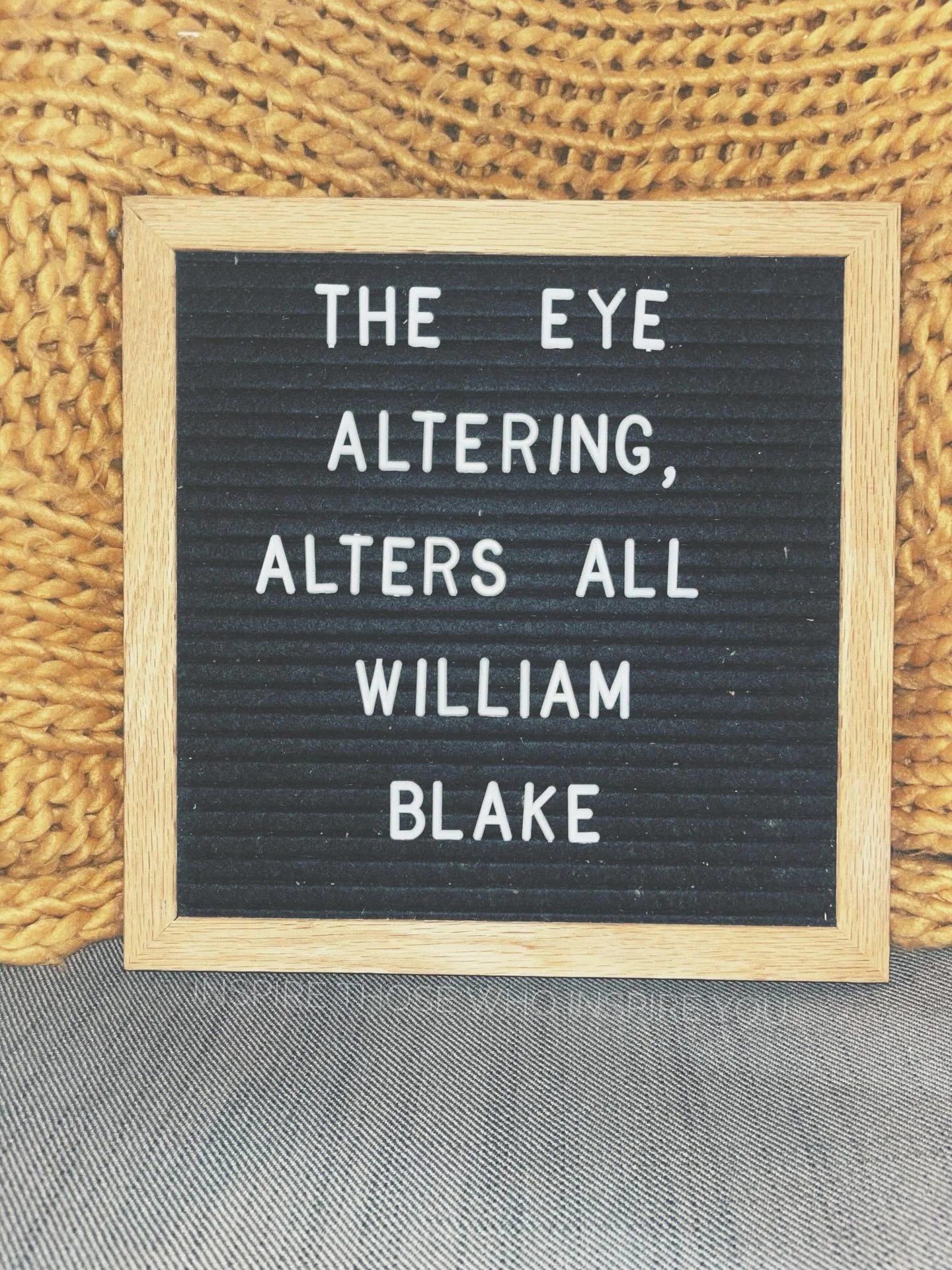
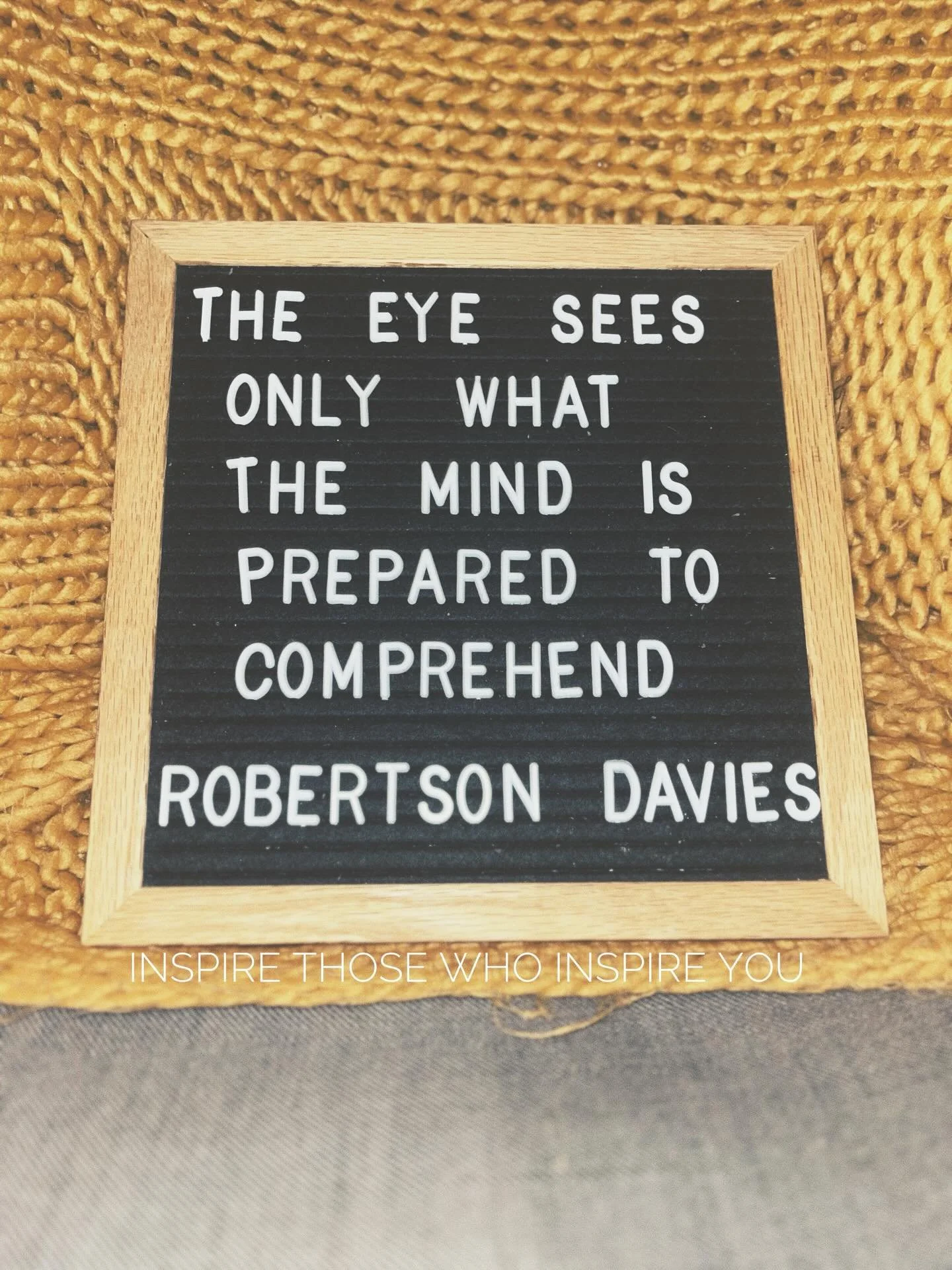
Same Difference
Editor’s note: This piece reflects where I am right now and what I’ve learned from my own experiences. I share these thoughts as an invitation to reflect on your own life, not as a guide for what you should do with it, Your circumstances, relationships, experiences are your own, and only you can decide what feels right for you.
Welcome back, curious minds and kind hearts to For What It’s Worth. A series about perspective, understanding, and how much we really know about the people and situations around us.
This time, I’m thinking more about the people themselves, and how two experiences of the same person can look very different without either one necessarily telling the whole story.
I don’t think everyone we meet is meant to stay in our lives forever. Some people do. Others are a part of our lives for a while, and some leave something with us long after they’re gone.
And then life changes.
People grow apart. Circumstances change. Relationships end. Sometimes gradually. Sometimes unexpected.
But I don’t think that means that everything that came before had to disappear with them. I can think about the times we went for a run together. I can remember staying up late helping someone make it through an art class. I can smile at the memory of us having fun memories at the pool together, or whatever else happened to bring us together at the time.
Different people knew me in different parts of my life, and naturally, they got to know different parts of me too.
Some knew my adventurous side. Some connected with my creativity. Others knew me through sports, work, or school. Some were around when I felt my most confident, while others knew me during times when I was more guarded.
None of those made me a different person. We just connected through parts of who I already was. And I think that’s true of most relationships.
We get to know people through the experiences we share with them, and those experiences aren’t going to be the same with everyone.
For example, a friend might know something about me that a co-worker doesn’t. Someone I’ve known for years might recognize something about me that I’ve never noticed myself. And someone can know me for a long time without knowing everything.
The same can be said in reverse.
There are probably things about people I’ve known for years that I’ve never had a reason or an opportunity to see. Parts of their lives I wasn’t there for. Sides of them that came out in relationships that were different from ours.
It doesn’t mean what I know about them isn’t real. It just means it isn’t everything.
That’s a question I’ve been coming back to throughout this series.
Earlier in this series, Fill in the Blank explored what we do with missing information, while Long Story Short looked at what can get lost when experiences become stories.
Now I’m wondering what happens when all of those things meet the relationships themselves. Because somewhere along the way, what we experience with someone can become what we believe about them.
Quiet. Talkative. Kind. Sensitive. Creative.
Some of those words might fit. But even when they do, I wonder how much they really tell us.
I’ve been described as sensitive before. I don’t necessarily disagree with that. I am sensitive. What made me question it wasn’t the word itself. It was how someone who mostly knew me in a setting where I tended to be more private had come to that conclusion, especially when it felt like the word was being used to explain a much bigger situation without knowing everything that was happening.
I’ve also been on the other side of that in smaller ways as well. Years ago, a friend assumed I couldn’t draw something without tracing it. Creativity wasn’t really part of our friendship, so I understood why she hadn’t seen that side of me. But I was still surprised by the assumption.
She knew me. She just didn’t know that about me.
An observation can be accurate without explaining the whole person. A label can fit and still be incomplete. Something we’ve heard can contain truth and still be missing information.
And when we become too certain without seeking clarity, our interpretation can start affecting how we treat someone.
I think the same thing can happen with the things people do. Someone gets quiet. Doesn’t answer a message. Seems distant. Says something that doesn’t sit right. We notice, and then we try to make sense of it.
I do it too.
Other times, I can think of plenty of possible explanations and still come back to the same answer of I don’t know.
It doesn’t mean I stop wondering. It just means I try to remember that wondering and knowing aren’t the same thing.
Two people can be part of the same moment and still walk away understanding it differently. Someone can feel ignored when the other person was overwhelmed. A joke can hurt when it was meant differently. Someone can think they’re helping and find out later that they made things harder.
That doesn’t necessarily mean either person was being dishonest about what happened. They just knew different things.
I, personally think intention matters here.
Knowing why someone did something can change the way I understand it, even if it doesn’t change how it impacted me.
If someone unintentionally hurts me and later explains what they meant, the hurt doesn't’t suddenly disappear. But now I know something I didn’t before.
Maybe they didn’t know how their actions would impact me. Maybe I didn’t know what was happening on their side. Neither of us knew what we didn’t know.
That’s where I think conversation can make a difference.
Not because one of us needs to convince the other that our experience was the right one, but because sometimes we need the chance to understand what the other person was seeing that we weren’t. Especially when we consider that misunderstandings can have consequences.
People can become distant. Relationships can change. Someone can find themselves trying to respond to conclusions they weren’t included in reaching. And sometimes the person at the center of it doesn’t even know exactly what other people believe.
I know what that kind of uncertainty feels like.
During a difficult period of my life, there were things I didn’t know. Information wasn’t always clear or available to me. At the same time, it felt like people around me were forming their own understanding of what was happening.
Because of it, relationships changed. Conversations felt different. And suddenly, it felt like my life had changed in the blink of an eye.
Now, there’s a before and after version of me.
I am still the same person, but the experiences changed what I understood about myself and the people around me.
The situation made me aware of how much I didn't know. What I thought I knew about other people and my relationships with them. What I needed from the people I trusted. What made me feel safe, and what didn’t.
For a while, I spent a lot of time wondering what I was missing. But eventually, I started wondering what other people might be missing too.
Because none of us were standing in exactly the same place.
The experience made me think differently about how much weight we give our own understanding of someone else’s situation. It’s easy to look from the outside in and think we know what someone should have done. But it’s different when you’re the one inside it.
You know the information you had. You know what you didn’t know. You know what choices you thought you had.
While someone outside of it might still see something you missed, it doesn’t automatically mean they understand it better. And sometimes what we understand from the outside isn’t even based on something we witnessed ourselves. It’s based on what someone else tells us.
That’s where things can get even more complicated. Oftentimes, when someone tells us what happened to them, we listen. We care. And it can change the way we see someone else.
And maybe it should. Because there are things we can learn about someone that matter. But I don’t think every new piece of information has to erase everything we already know either.
The relationships we’ve built with someone matters too.
If someone I care about tells me they had a bad experience with a person I also know, I can take that seriously without pretending my own experience with that person never happened. I can care about what they experienced and still have questions. I can listen without immediately knowing what I think.
Not because loyalty means automatically deciding they’re right. But because sometimes caring about someone means being willing to recognize when they were wrong.
At the same time, I don’t think loyalty disappears the moment someone gives us a different story about them.
Maybe the harder part is learning how to hold what we’ve been told alongside what we already know without assuming either one gives us the whole story.
By making room for another perspective, it doesn’t mean every explanation carries the same weight.
Sometimes the facts are clear. Sometimes one person has information the other doesn’t. Sometimes hearing more changes very little about what we think happened. But I think there’s a difference between reaching a conclusion after considering what someone has to say and reaching one before they’ve had the chance to say it.
To me, being considered means having the opportunity to explain what I know, what I experienced, and what I understood at the time. It means being able to ask questions too.
Not because my perspective should automatically outweighs someone else’s but it shouldn’t automatically matter less either.
I think that’s part of what was so difficult for me during that period of my life. I wasn’t expecting everyone to agree with me. I wanted to feel like my experience had been given the same consideration I was being asked to give everyone else’s.
Hearing someone isn’t necessarily the same as considering them. We can listen after we’ve already decided what happened. We can ask questions without being open to the answers. And we can hear two sides without giving both of them a genuine chance to change what we think.
Fairness doesn’t require us to end up somewhere in the middle. Because sometimes we won’t.
Rather, I think there’s a difference between disagreeing with someone after trying to understand them and deciding who they are before we ever really tried.
And I think that same consideration has to extend to our own perspective too.
I’ve spent a lot of time questioning mine. What did I miss? Could I have understood something differently? Is there something I need to reconsider?
I don’t think asking myself those questions makes my experience any less credible.
But there’s a difference between being open to another perspective and allowing it to replace your own. Someone else may notice something I didn’t. They may have information I never had. They may remember something differently or understand my actions in a way I never intended.
And I want to know those things. They provide me with information I didn’t know before. They give me something to consider. Sometimes they might even change my mind.
But I was there too.
I know what I experienced from where I was standing. I know what I understood at the time. And no one else has lived that experienced from the inside. While their experience can add to mine, it can do so without automatically erasing it.
Being open-minded doesn’t mean I can never reach a conclusion. It just means I’m willing to consider it when there’s something new to consider.
Saying that, I think there’s also a time and a place for all of this.
When someone is hurt, scared, or overwhelmed, they may not be ready to consider every possible explanation for what happened. Sometimes they just need someone to listen. To sit with them in the discomfort for a while.
I’ve learned that trying to understand every side doesn’t have to happen all at once. Sometimes the first thing a person needs is to feel safe enough to talk about what happened from where they were standing. Because curiosity without compassion can feel a lot like questioning someone when what they really needed was support.
But I do think there’s a difference between not being ready for another perspective and never being willing to consider one. If there’s something left to work through, there has to be some willingness to meet each other there. I think that’s where understanding becomes more than simply knowing another perspective exists. Ideally, it gives us somewhere to go.
Maybe we learn something. Maybe we acknowledge something we didn’t before. Maybe someone changes. Maybe we compromise. Maybe we find a way to work through what happened.
But understanding doesn’t guarantee everything gets resolved. I can understand someone better and still disagree with them. I can forgive something without repairing the relationship. I can move forward without ever getting the conversation I hoped would happen.
And then, there are some things we simply can’t work through on our own.
We can be willing to talk. We can ask questions. We can try to understand what happened and leave room for another person’s perspective. But eventually, that willingness has to exist on both sides.
If the other person isn’t willing to talk, listen, clarify, or consider something beyond what they already believe, there may come a point when there’s nothing more we can do.
For me, that’s a signal to move forward.
I think we can give people chances to work through something with us. We can give them time as sometimes people need space before they’re ready to have a conversation. But I don’t think giving someone time means waiting indefinitely, especially when there’s no communication about what they need or where the boundary is.
At some point, their lack of participation becomes information too. It tells me when to stop reaching for a conversation that isn’t happening and start putting my energy into moving forward.
Maybe that’s what I’ve been thinking about most is how differently we can experience the same people, relationships, and even the same moments.
Someone may know a side of a person we’ve never seen. We may know something they don’t. Sometimes one perspective changes the way we understand another, and sometimes, even after hearing everything available to us, we still don’t see things the same way.
Not because we should distrust everything we think we know about people, but because our understanding will always come from where we’ve been standing. We can be confident in what we’ve experienced while still leaving room for the possibility that someone else experienced something differently.
Everything I’ve written here comes from my own experiences and what I’ve come to believe because of them.
They’re not instructions for anyone else’s life.
I can tell you why communication matters to me. I can suggest asking questions, seeking clarity, giving someone time, or knowing when to stop reaching. But I can’t tell you which of those things belongs in your situation. I don’t know your relationships from the inside. I don’t know what you’ve experienced, what you’ve already tried, what information you have, or what you need in order to feel safe and respected.
But maybe there is something worth considering.
So, I’ll leave you with this: Think about someone you’ve formed an opinion of, especially someone you’ve come to understand through a difficult experience or through what someone else has told you. What do you actually know? What have you assumed? What might you still be missing?
You may ask those questions and come to exactly the same conclusion you had before. Maybe nothing needs to change. Or maybe something does.
For what it’s worth, I don’t think our experiences have to be exactly the same for us to recognize something in one another. Sometimes understanding is simply being willing to look beyond our own place in the story and consider where someone else might have been standing all along.
Same situation. Different view.
Same difference.
As a signature of my blog, I’d like to end this post with a suggestion to “Pass on kindness.” There’s no time like the present to Inspire Those Who Inspire You. Acts of kindness, no matter how big or small, can have a direct, positive impact on someone else. Go out there today and change someone’s life for the better!
***These are my personal opinions and may not be those of my employer.***