Low-Key Grateful
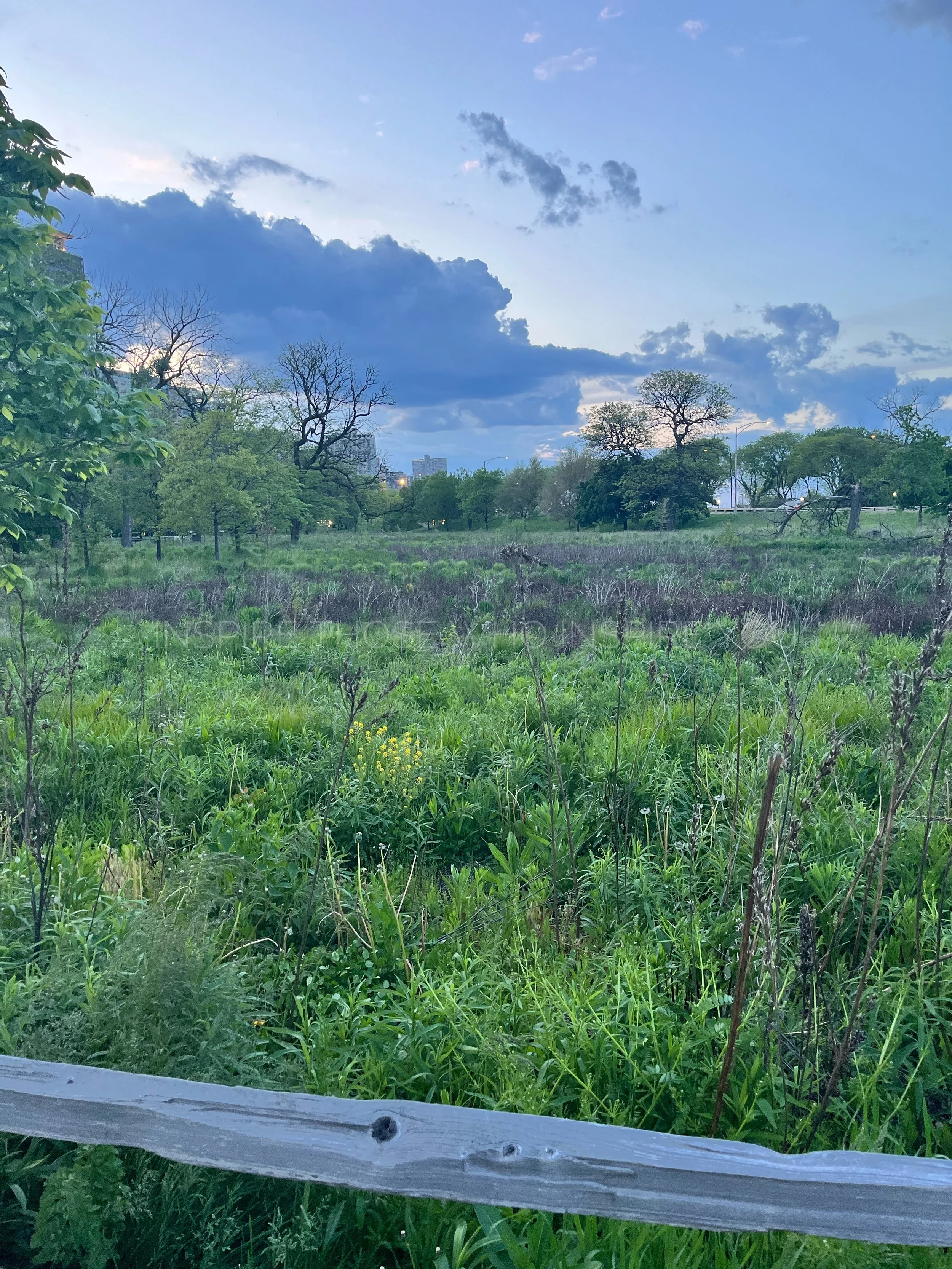
A sense with plants and wild flowers growing along it with the sunset glowing softly in the background. The quiet scene reflects “Low-Key Grateful” by appreciating the small, everyday moments that often go unnoticed.
Editor’s note: Written from my current vantage point.
Welcome back, inspiring minds and passionate creators to the next chapter in the Head & Heartwork series. This series is about our mental and emotional well-being. The first post of this series “Real Over Right” shares the importance of authenticity over correctness and how it can deepen relationships. While the next post “All the Feels” shares the sentiment of learning to embrace the full spectrum of our emotions and how it not only leads to deeper self-awareness but also healthier connection. You can read these here and here, respectively. As for today, I’ll be discussing the art of practicing gratitude, or should I say the art of having a good heart.
Let’s begin with how gratitude doesn’t need to be loud to be heard. You don’t need to speak up, share, or post about what you’re grateful for, in order for it to matter. You don’t need to do what everyone else does to be thankful. While being in a state of gratitude may feel like an aesthetic that needs constant upkeep, it’s not. It’s a state of being.
There’s quite a difference between expressing gratitude and displaying it. One is rooted in presence, the other can drift toward performance. When gratitude is expressed, it grounds you, it depends contentment regardless of who notices. When it’s displayed for validation, its center shifts outward, depending on response instead of resonance.
And maybe that’s where the shift really happens, when gratitude moves from something we show to something we practice. When it stops being about how it looks and starts being about how it shapes us. Because once the need for reaction fades, what’s left is opportunity to let gratitude actually do its work internally.
Next is gratitude as a grounding practice. While daily gratitude is often encouraged, it doesn’t have to become a rigid ritual or another box to check. It’s less about routine and more about intention. Think of it more like something you can return to, refine, and grow in over time. Not as a choice or obligation, but as a way of steadying yourself in the middle of real life.
Yet gratitude isn’t always profound or picture-perfect like it’s often portrayed. Sometimes it’s much simpler than that. Sometimes it’s just admitting you’re still a work in progress. Sometimes it’s quietly saying, “I’m glad I made it though.”
Because gratitude doesn’t fix everything. It doesn’t rush growth or erase what’s hard. It anchors you to where you are. It doesn’t demand that you change, it simply invites you to acknowledge your current reality with honesty.
A good example is how lately a few of my priorities have shifted. You may have noticed I haven’t been as active or interactive on social media, and yes, I’m a little behind on posting. Life adjusted, and I’m adjusting with it. I’m settling into a new routine, and I haven’t quite found my rhythm yet.
While I could be annoyed with myself about it and focus precious time and energy on what I didn’t get done, that would just add unnecessary pressure where it doesn’t belong. Instead, I’m choosing to see what’s true: I recently started a new job (keeping the details private), and that’s something to be grateful for. Change takes energy. New routines take time. And growth rarely looks organized while it’s happening.
So for now, gratitude looks like this, appreciating the opportunity, acknowledging the transition, and trusting I’ll find my flow again soon.
At the same time, gratitude can get tangled up in something it was never meant to be. If we’re not careful, it turns into quiet pressure. The feeling that we should be more appreciative, more positive, more okay than we actually are. And slowly, without meaning to, we drift a little further from ourselves.
Not because we’re trying to be someone else, but because we’re trying to hold it all together.
We downplay the shame. We brush past the guilt. We convince ourselves we shouldn’t feel hurt, or tired, or behind. Especially if there are things to be grateful for. And in doing so, we mistake acknowledgement for complaint.
But gratitude was never meant to silence our experiences. It was meant to sit beside them. You can be thankful and still tender. You can appreciate what’s good while being honest about what’s hard. That balance is what keeps it real.
If you’re navigating something similar, maybe start here:
Give yourself permission to hold two truths at once. You can appreciate what’s good and still acknowledge what’s heavy.
The real work isn’t choosing between gratitude and honesty, it’s learning how to let them coexist. It’s recognizing that appreciation doesn’t cancel out exhaustion. That being thankful for an opportunity doesn’t mean the adjustment isn’t hard. That growth can feel disorienting and still be good.
We’re allowed to be in transition without labeling it as failure. We’re allowed to appreciate where we are while admitting we’re still finding our footing. Gratitude, at its healthiest, doesn’t rush us forward or drag us backward. It simply keeps us grounded enough to stay present.
Maybe that’s the next step to take. Let gratitude be steady, not shiny. Supportive but not silencing.
Life, after all, is always simple. Sometimes it’s messy. Sometimes it’s chaotic. Sometimes it feels like it’s pulling us in a hundred different directions at once.
There are seasons where clarity comes easily, and others where you’re just trying to keep pace between deadlines, responsibilities, expectations, changes you chose, and changes you didn’t. It can all blur together.
In moments like that, gratitude doesn’t need to be grand. It doesn’t need to solve the chaos or organize the mess. Sometimes it’s just the quiet pause in the middle of it all. The breath that reminds you, I’m here. I’m trying. I’m sti moving forward.
Maybe, just maybe, that’s enough for now.
Becuase when we stop trying to make gratitude big, impressive, or perfectly packaged, we start to notice where it actually lives.
Gratitude is built in the small moments. The ones that quietly shape us without announcement. The conversations, the chances, the subtle shifts that change our lives while we’re busy living them. So much of it goes unnoticed.
But at its core, gratitude is a daily practice rooted in a simple internal dialogue: I see this. I appreciate this.
Not all gratitude needs an audience. Sometimes the most meaningful thanks are the ones we whisper to ourselves or share only with those who truly see us. Today, notice one thing you’re quietly grateful for. Not to prove anything, but to truly feel it. Let it be warm. Let it be grounding. Let it be acknowledged.
Then, keep it close or offer it to someone who matters. Either way, let it be real.
Because as Robert Holden says, “The real gift of gratitude is that the more grateful you are, the more present you become.”
As a signature of my blog, I’d like to end this post with a suggestion to “Pass on kindness.” There’s no time like the present to Inspire Those Who Inspire You. Acts of kindness, no matter how big or small, can have a direct, positive impact on someone else. Go out there today and change someone’s life for the better!
***These are my personal opinions and may not be those of my employer.***